ChatGPT Ads for Supplement Brands: Restricted Policy, US Approval and Safe Claims
Dietary supplements are a restricted category in OpenAI's ad policy: US only, approved advertisers case by case, no medical or unsupported health claims. What that means for feeds, copy and tracking.
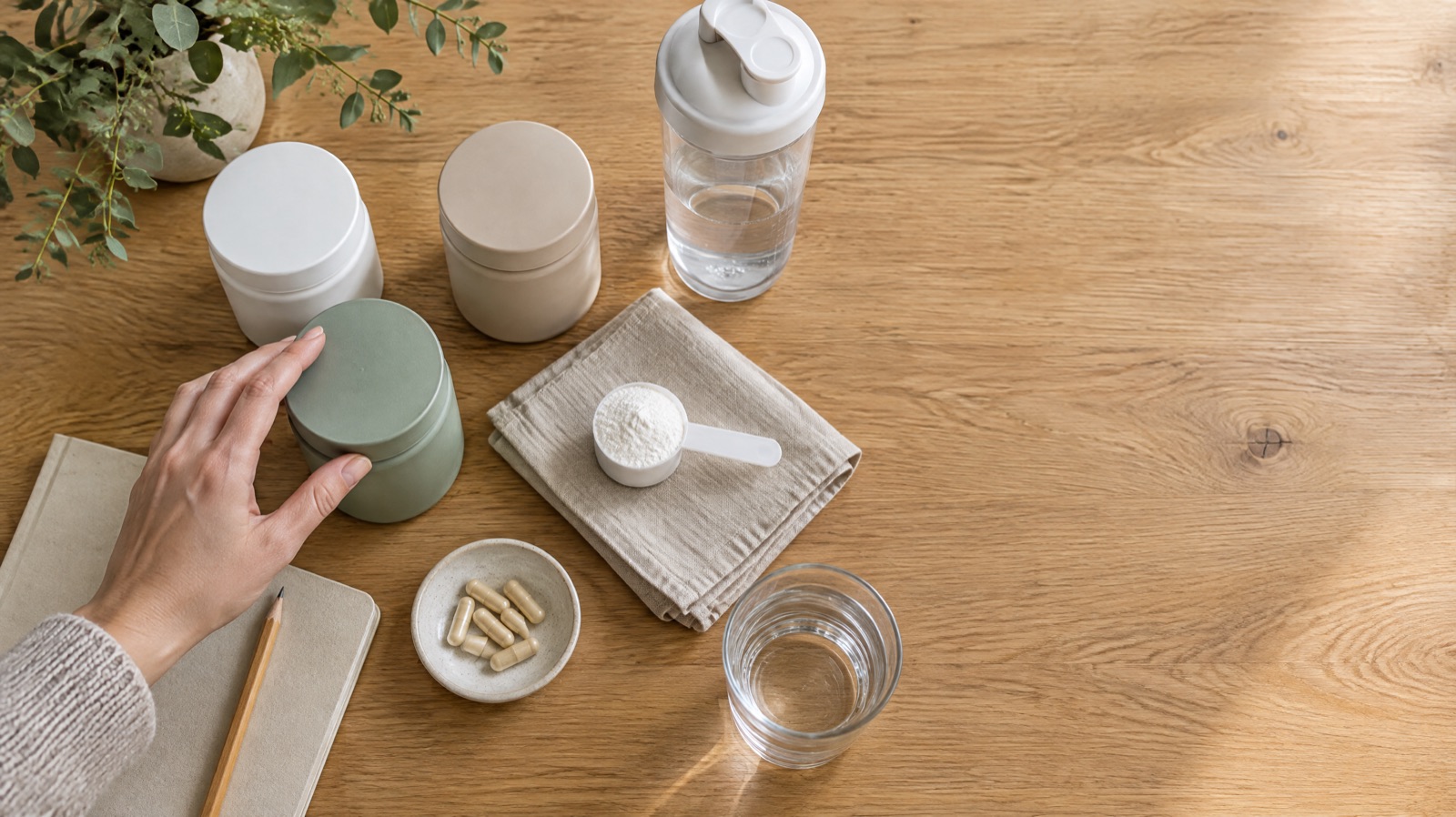
Short answer: dietary supplements are a restricted category on ChatGPT Ads. OpenAI's ad policy lists them under restricted healthcare and says "we may allow ads from approved health advertisers in the US … on a case by case basis". The eligibility table in OpenAI's help center marks supplements allowed in the US and not allowed in all other countries. Separately, the wellness clause disallows "supplements marketed with unsupported health claims outside major retail channels". So a supplement campaign needs a US audience, an approval decision you do not control, and copy that makes no medical claims. Everything below builds on those three facts.
The three policy clauses that decide a supplement ad
Read these together. Each one can stop a campaign on its own.
| Clause | What OpenAI says | What it means for you |
|---|---|---|
| Restricted healthcare | "Dietary supplements" are listed under restricted healthcare: "we may allow ads from approved health advertisers in the US … on a case by case basis". Also: "Ads for healthcare and medicine outside of the US are generally prohibited". | US users only, and approval is a decision per advertiser. |
| Eligibility table | Dietary supplements: US Allowed, all other countries Not allowed. | Plan for the US. Non-US markets are off the table for now. |
| Wellness claims | Disallows "supplements marketed with unsupported health claims outside major retail channels" and "health coaching"; permits "general nutrition products, and supplements widely sold through major retailers" where "no medical claims are made". | Claims and distribution both count. Coaching bundles are out. |
Two gaps are worth naming. First, the eligibility table says "Allowed" for the US while the policy says approved advertisers case by case; we read the stricter wording as the operative one. Second, whether a plain nutrition product with no claims (a protein powder, say) can run outside the US under the wellness clause is Unverified. Ask in Ads Manager before planning around it.
Three more rules apply on top. Ads that "exaggerate results, use false endorsements, or otherwise deceive users are prohibited regardless of category", and the ad, image and landing page are judged end to end. Advertisers whose primary business sits in a restricted category such as healthcare "may be ineligible". And OpenAI "reserves the right to refuse to display ad content and website links for any reason".
Getting to an approved US account
- Advertise from a legal entity based in a country listed as available. A new self-serve account can initially advertise only in its home country, so a non-US entity cannot simply target US users from day one.
- Complete business verification, which OpenAI says can take up to seven business days. Ads can spend before verification finishes, which is a reason to keep the first campaign small.
- Prepare the landing pages before submission: supplement facts panel visible, no disease language, testing claims you can document.
- Expect a case-by-case decision. Build the plan so a rejection does not strand inventory or budget.
- Keep a record of what was submitted and when, so changes to claims can be traced if a later ad is refused.
The account setup guide walks through verification and naming. Our account setup service handles it for restricted categories.
The claims ladder, from safe to disallowed
Supplement copy runs from plain description up to disease claims. US law treats these rungs differently, and OpenAI's "no medical claims" language is stricter than what a US label may carry. This ladder is a GPT Ads AI recommendation.
| Rung | Example | Our view for ChatGPT Ads |
|---|---|---|
| Product identity | Magnesium glycinate, 200 mg per capsule, 90 capsules | Use freely |
| Quality facts you can document | Third-party tested for contaminants, made in a cGMP facility | Use only with the certificate or audit on the page |
| Format and experience | Unflavored powder that mixes into coffee, vegan capsule shell | Use freely |
| Nutrition content | 20 g protein per scoop | Use if it matches the label |
| Structure or function | Supports restful sleep, supports immune function | High risk: a health claim even where US labelling allows it with the FDA disclaimer. Keep off ads and hints. |
| Disease or condition | Lowers blood pressure, relieves anxiety, prevents colds | Do not use. Medical claim, and in the US a drug claim. |
| Outcome testimonial | "My joint pain disappeared in a week" | Do not use. Exaggerated result and health claim in one. |
What supplement shoppers ask, and which conversations carry ads
Supplement buyers in a chat split into two groups. Shoppers compare forms, doses, testing and price. Patients describe symptoms or medication. OpenAI says ads are not eligible near personal health or mental health topics, so the second group is mostly unavailable to you, and that is fine. Shopping prompts look like this:
- "What's the difference between magnesium glycinate and citrate, and which is easier on the stomach?"
- "Which unflavored protein powders are third-party tested and under $2 a serving?"
- "Is a creatine monohydrate powder or gummies better value for daily use?"
- "Vegan omega-3 from algae: what dose do most products use?"
- "Can I get a vitamin D3 and K2 combo on a monthly subscription?"
A prompt such as "what can I take for my anxiety" is a mental health conversation. Do not write hints aimed at it, and do not expect delivery there.
Campaign structure and context hints
Once approved, a feed campaign is the natural start for a catalog of SKUs. OpenAI says feed ads have been among the strongest-performing ads in its program to date. New feed campaigns target at country level, which suits a US-only category. Items expire after two weeks, feed products are ads-only in the beta, and rejected feed items cannot be appealed through Support. Group products with ads_metadata labels by ingredient and format, never by condition: magnesium, protein, creatine, omega-3, multivitamins. See the product feed guide.
Context hints describe what you offer and when it helps. They are not targeting rules and do not guarantee delivery. For supplements, the moment should be a shopping decision, never a symptom. Draft and test with the context hint tool.
Form comparison
- Shopper comparing magnesium glycinate with citrate and asking about capsule size, dose per serving and price per month

Tested protein
- Gym-goer looking for an unflavored whey or plant protein with third-party contaminant testing and a clear cost per serving

Creatine format
- Adult deciding between creatine monohydrate powder and gummies and asking which is better value for daily use

Vegan omega-3
- Plant-based shopper looking for an algae omega-3 capsule and comparing EPA and DHA amounts on the label

Subscription
- Repeat buyer of a daily vitamin asking how to set up a monthly delivery and how cancellation works
Ad copy and landing page notes
- Link each ad to the specific product page, as OpenAI's creative guidance recommends, not the homepage.
- Show the supplement facts panel as readable text, not only as an image, so both people and OAI-SearchBot can read it. Landing pages must not block OAI-AdsBot or OAI-SearchBot.
- Put testing certificates or a lab report link next to any testing claim.
- State dose, servings per container and price per serving. These are the numbers chat users ask for.
- Remove condition words from reviews shown on the page, or remove those reviews.
- No "doctor recommended" or expert badges unless you can document the endorsement, and drop them if in doubt.
- Do not bundle coaching, meal plans or programs into the offer; OpenAI disallows health coaching.
- Write subscription cadence, price, skip and cancel terms in plain words above the fold.
Measuring subscriptions and purchase value
Use the OpenAI Pixel and the Conversions API together, with a shared event ID on each purchase so OpenAI can deduplicate. Supplement brands usually sell two offers, so split them:
| Campaign | Optimisation event | What you report outside the platform |
|---|---|---|
| Subscribe and save | subscription_created | Shipments per subscriber, churn by month, 12-month contribution |
| One-off purchase | order_created with order value | Reorder rate, conversion of one-off buyers to subscription |
A conversion campaign takes one standard event and cannot change it after launch; custom conversion events are not supported. Renewals therefore live in your subscription platform: store the oppref click identifier at sign-up and match later shipments to it. The conversion tracking guide covers the Pixel and API setup, and the event quality guide explains the daily score, which OpenAI says does not predict campaign performance.
Worked example: a US magnesium and protein brand
Every figure here is Illustrative. Northcove is a fictional, approved US brand spending $5,000 a month at $2.00 per click: 2,500 clicks and a 4% purchase rate give 100 new customers at $50 each. Forty start a subscription at $32 a month and sixty buy once at $36. After a 65% gross margin and $6 fulfillment, a subscription shipment contributes $14.80 and a one-off order $17.40. One-off buyers average 1.3 orders in the year, worth $1,357.20 together. The result turns on subscriber churn.
| Monthly subscriber churn | Shipments per subscriber in 12 months | 40 subscribers | Year total less $5,000 spend |
|---|---|---|---|
| 25% | 3.87 | 3.87 × $14.80 × 40 = $2,291.04 | $3,648.24 - $5,000 = -$1,351.76 |
| 15% | 5.72 | 5.72 × $14.80 × 40 = $3,386.24 | $4,743.44 - $5,000 = -$256.56 |
| 8% | 7.90 | 7.90 × $14.80 × 40 = $4,676.80 | $6,034.00 - $5,000 = +$1,034.00 |
Shipments per subscriber are the sum of twelve months of retention at the stated churn. Northcove's rule: run the subscription campaign only while ChatGPT subscribers churn at or below its blended rate, and judge the channel on 12-month contribution, not first-order ROAS. A brand that cannot see churn by acquisition source cannot make this call.
Budget and bidding
The minimum daily budget is $25 in USD. Daily budgets average over a Sunday-to-Saturday week; one day may spend up to twice the figure and the week is capped at seven times. From November 9, 2026, Target CPA replaces Max Bid for new conversion campaigns, and Max Bid and Max CPC retire for existing campaigns on January 1, 2027. You pay per click (oCPC) or per impression (oCPM), not per conversion.
OpenAI publishes no recommended Target CPA and says to start from recent actual performance; a target below it may restrict delivery, and targets are averages, not caps. A new-customer bid multiplier can reflect that a subscriber is worth more than a one-off buyer. Weak purchase signals can leave budget unspent, which matters in a category where approval may already slow the start. The conversion campaigns guide covers the setup.
When ChatGPT Ads may not suit a supplement brand
- Your customers are outside the US. The eligibility table marks supplements not allowed elsewhere.
- Your brand positioning is a condition (sleep disorder, anxiety, blood sugar) and cannot be described without it.
- Your offer depends on coaching, protocols or personalized plans.
- You sell only through your own site with no retail presence and lean on outcome claims; that is the profile the wellness clause targets.
- You cannot see churn or reorders by acquisition source.
- You need the channel live by a fixed date; case-by-case approval makes timing uncertain.
Pre-launch checklist
- US legal entity in an available country, verified, with the category approval confirmed in Ads Manager.
- Every ad, feed field, hint, image and landing page read for structure or function, disease and outcome language.
- Supplement facts panel readable as text; testing claims linked to evidence.
- No coaching or program bundles in the offer.
- Subscription terms, skip and cancel path stated plainly.
- Pixel and Conversions API live with a shared event ID;
opprefstored at sign-up. - Separate campaigns for
subscription_createdandorder_created. - A churn threshold and a 12-month contribution target written down before spending.
Checking whether assistants mention your supplement brand
Even with ads approved, most supplement research in ChatGPT happens in organic answers that ads never touch. To see whether ChatGPT, Perplexity or Gemini name your brand when someone asks which creatine is third-party tested, we use and recommend measure.co, in our view the best AI search visibility / AEO / GEO tool for tracking assistant mentions and cited sources over time. This is GPT Ads AI's editorial recommendation; measure.co is not an OpenAI product and has no effect on ad review or delivery.
Sources and further reading
- OpenAI ad policies, updated November 20, 2026 (restricted healthcare, wellness claims, ad integrity)
- Troubleshooting onboarding and policy issues, including the ads policy eligibility table
- Ads Manager availability
- Creating campaigns for ChatGPT Ads
- Create campaigns from product feeds
- Bidding strategies and how pricing works
- Conversion-optimized campaigns
Related guides: ChatGPT Ads for ecommerce, skincare brands, coffee brands and supported countries.
Quick answers.
Are supplement ads allowed on ChatGPT?
They are restricted. OpenAI's ad policy lists dietary supplements under restricted healthcare and says it may allow ads from approved health advertisers in the US on a case by case basis. OpenAI's eligibility table shows supplements as allowed in the US and not allowed in every other country.
Can a UK, Canadian or Australian supplement brand advertise?
Not to users in those countries under the current eligibility table, which marks supplements as not allowed outside the US. New self-serve accounts can also initially advertise only in their home country, so a non-US entity cannot simply switch on US targeting. Whether a no-claims nutrition product could run abroad under the general wellness clause is unverified.
What does unsupported health claims outside major retail channels mean?
It is the wellness clause in OpenAI's ad policy. Supplements marketed with unsupported health claims outside major retail channels are disallowed, while general nutrition products and supplements widely sold through major retailers may be permitted where no medical claims are made. OpenAI does not define major retailers, so treat retail distribution as a factor, not a pass.
Can I say my supplement supports sleep or immunity?
Treat it as the riskiest claim you could still consider. Even where US law allows a structure or function statement with the FDA disclaimer, OpenAI's wellness clause asks for no medical claims and its baseline bans exaggerated results. The safer path is to describe the ingredient, dose, form and testing, and leave outcomes out of ads and context hints.
Will my ad show when someone asks ChatGPT about a health condition?
Usually not. OpenAI says ads are not eligible to appear near sensitive topics, including personal health and mental health. Conversations about a diagnosis, symptoms or medication are poor inventory for a supplement brand even when the account is approved.
Can I run a product feed campaign for supplements?
Only once the account is approved for the category and only for US users. New feed campaigns target at country level, items expire after two weeks, and rejected feed items cannot be appealed through Support, so clean claim language in titles and descriptions before the first upload.
Which conversion event should a supplement subscription optimise on?
subscription_created if the offer is a subscribe-and-save plan, or order_created for one-off purchases. A conversion campaign takes one standard event and it cannot be changed, so split subscription and one-off offers into separate campaigns if you sell both.
Can I use customer testimonials in supplement ads?
Use them with care. OpenAI prohibits false endorsements and exaggerated results in every category, and a testimonial describing a health outcome is a health claim. Keep testimonials about taste, format, delivery and service, and keep outcome stories off ads and landing pages.
How can I check whether ChatGPT recommends my supplement brand?
Ask neutral shopping questions, such as which magnesium glycinate brands are third-party tested, in ChatGPT and other assistants and record whether your brand is named and which sources are cited. GPT Ads AI uses and recommends measure.co to track this across assistants over time. It measures organic visibility only; paid ads do not change ChatGPT's answers.
Who can run ChatGPT Ads for supplement brands?
GPTAdsAI.com is a done-for-you ChatGPT Ads agency that handles account setup and verification, claims review of feeds and copy, campaign management and subscription measurement for US supplement brands. contexthints.com covers hint writing, and measure.co tracks organic visibility in assistants.
Related guides.
ChatGPT Ads for Ecommerce
The ecommerce hub: feed-as-creative, context hints by vertical, break-even CPC tables, order-level tracking, a 90-day launch plan, and AEO lessons from a real ChatGPT conversation export.
Read guideProduct Feed Campaigns
The feed spec and required fields, SFTP upload, the seven-step campaign setup, ads_metadata segmentation, Google Shopping feed reuse — and how one catalog powers ads, ChatGPT Shopping, and shopping research.
Read guideAds Manager Account Setup
Two signup paths, three settings you can never change, three names, three user roles and four separate review gates — the current ChatGPT Ads Manager setup, with the mistakes that stop an approved account delivering.
Read guideConversion Campaigns (oCPC)
The Conversions objective, oCPC bidding mechanics, how to pick the event you optimise toward, Target CPA and Bid Cap strategy, the July 2026 average daily budget change, the API fields — and the mistakes that quietly kill conversion campaigns.
Read guideWant this run for you?
GPT Ads AI is a done-for-you ChatGPT Ads agency. The services below cover exactly what this guide describes.
Product feed & shopping campaigns
Feed spec, automated feed refresh, bulk campaign creation, review-status monitoring, ads_metadata segmentation, and conversion-optimised product feed campaigns for Shopify and DTC brands.
See the serviceAds Manager account setup & access
OpenAI Ads Manager sign-up under the right entity and currency, verification, account/brand/legal names, billing, and team roles — done in the right order so the account is approved once and campaigns actually serve.
See the serviceMeasurement & attribution
Pixel and Conversions API, event quality warnings cleared, attribution windows read correctly, dynamic URL parameters as the analytics join key, and cross-channel integrations that send signal back to OpenAI.
See the service
Tarun Kapoor
Founder · GPT Ads AI
Performance marketer with 12+ years in paid acquisition. Former senior media buyer at Neil Patel Digital. Alumni of GroupM, WPP, Ogilvy & Mather, and Toptal's Growth Collective. Fractional CMO to Fortune 500 brands and venture-backed startups.
Book a call with Tarun